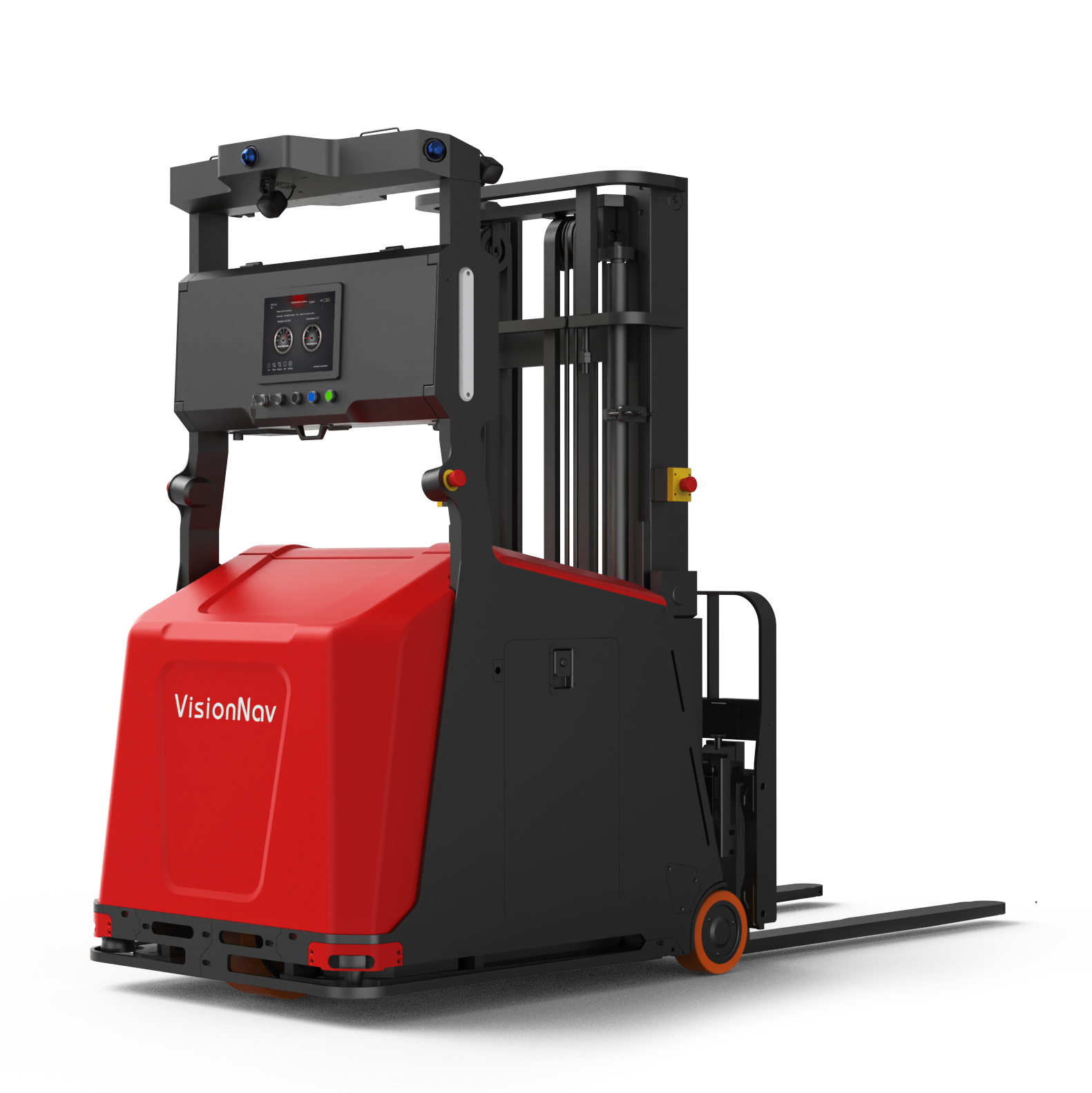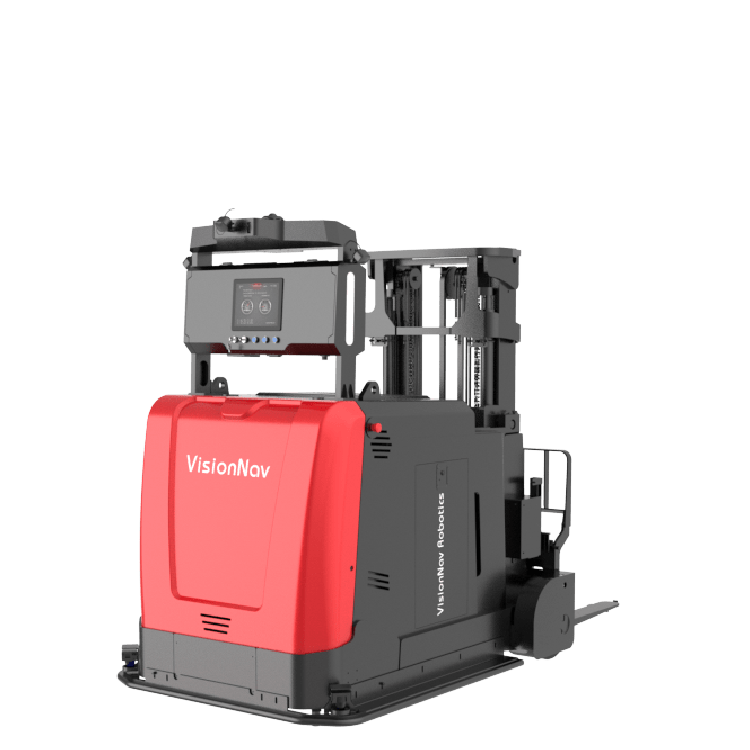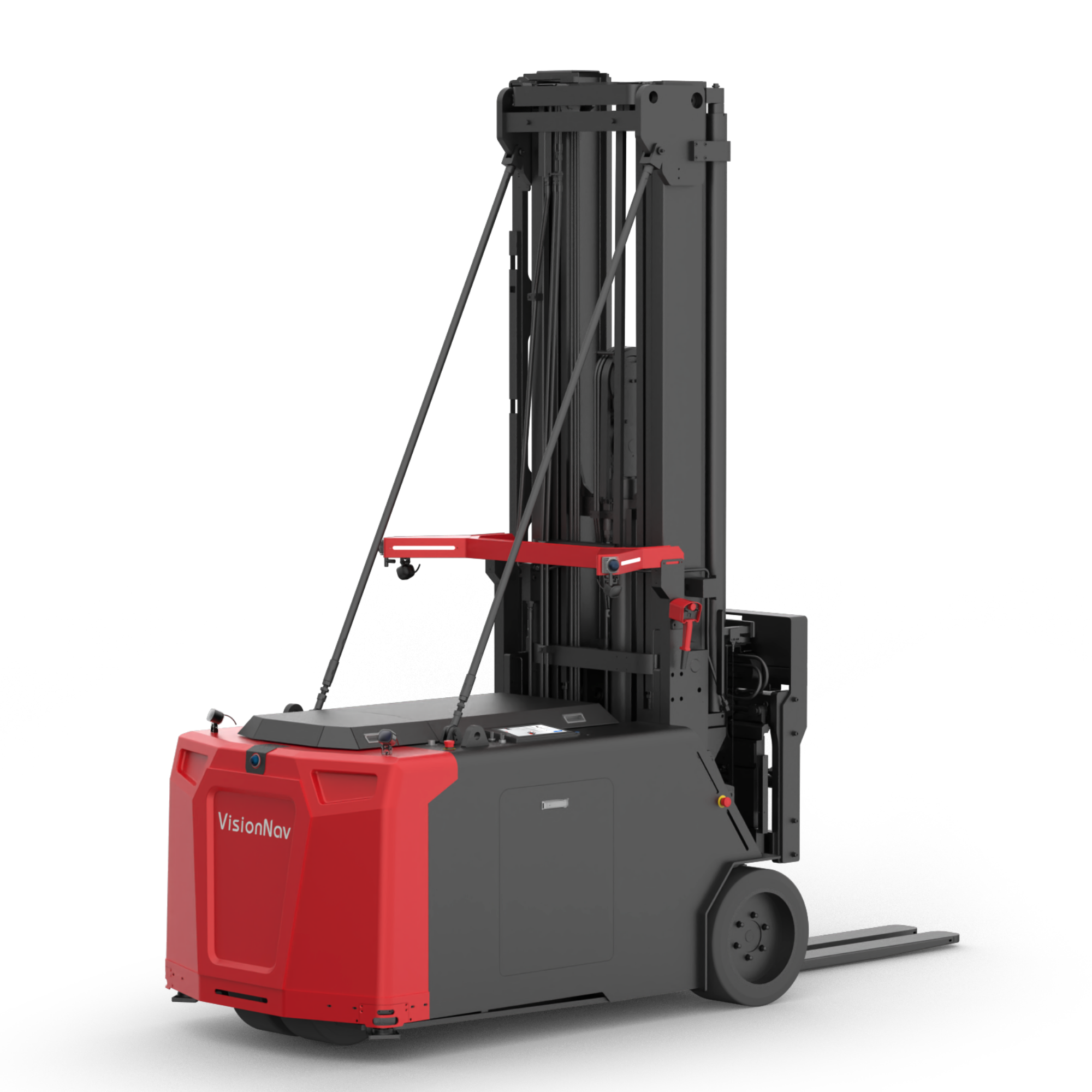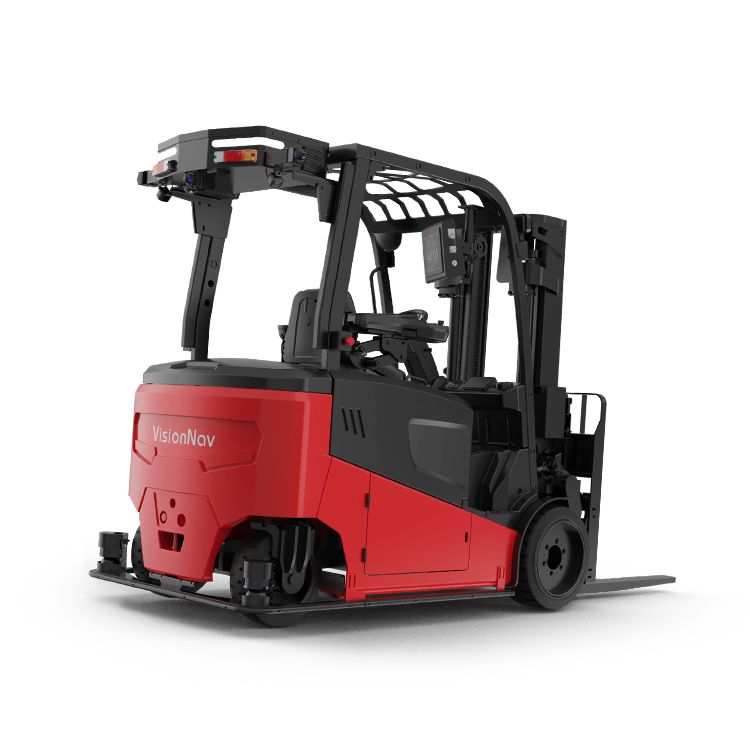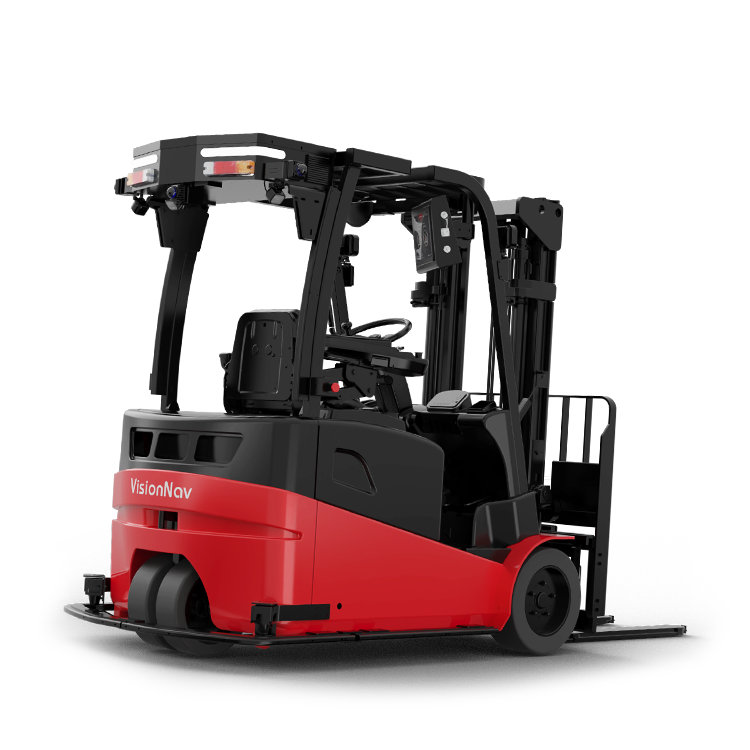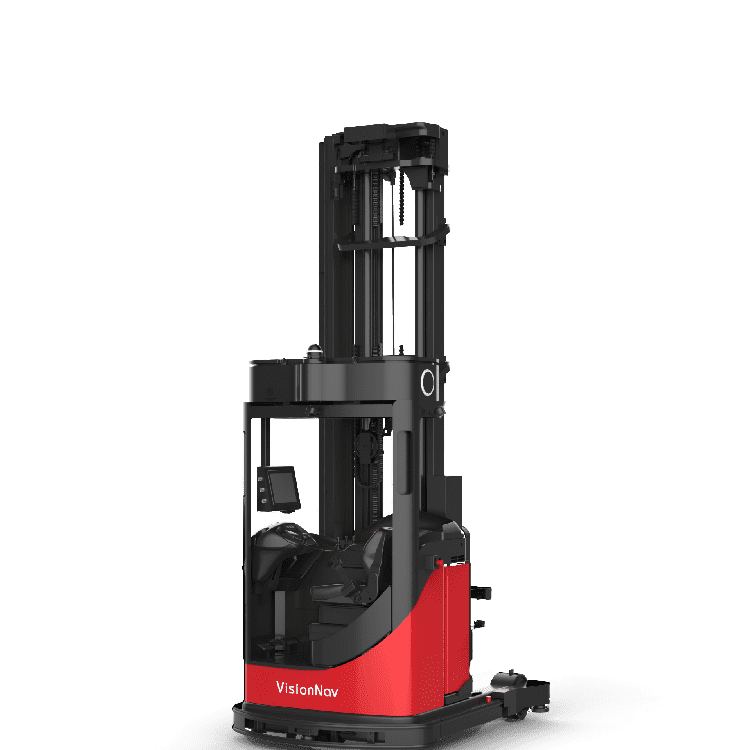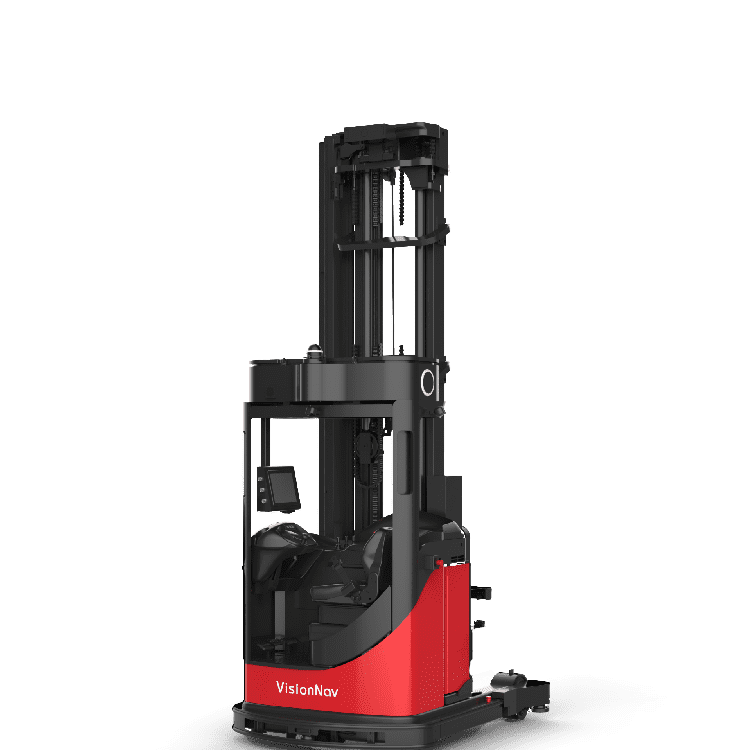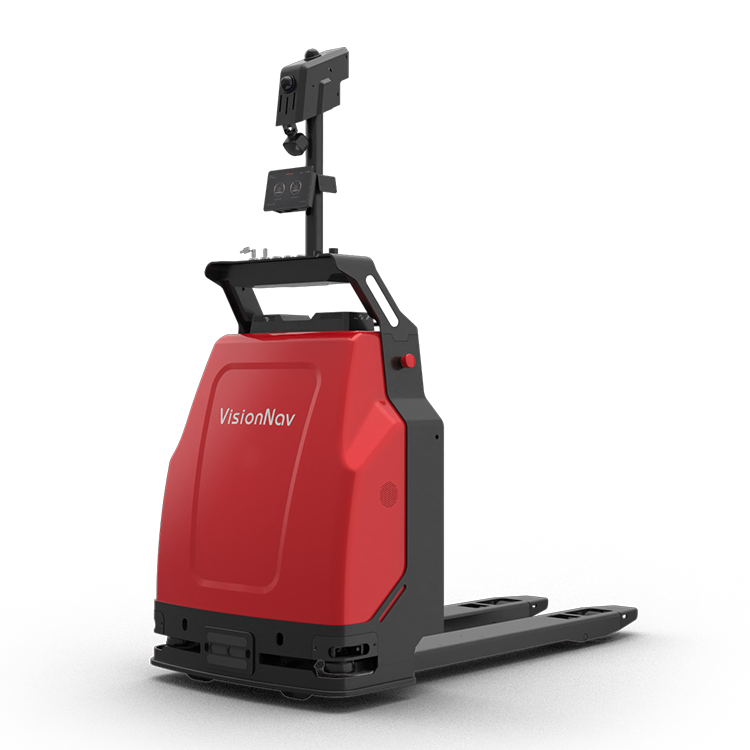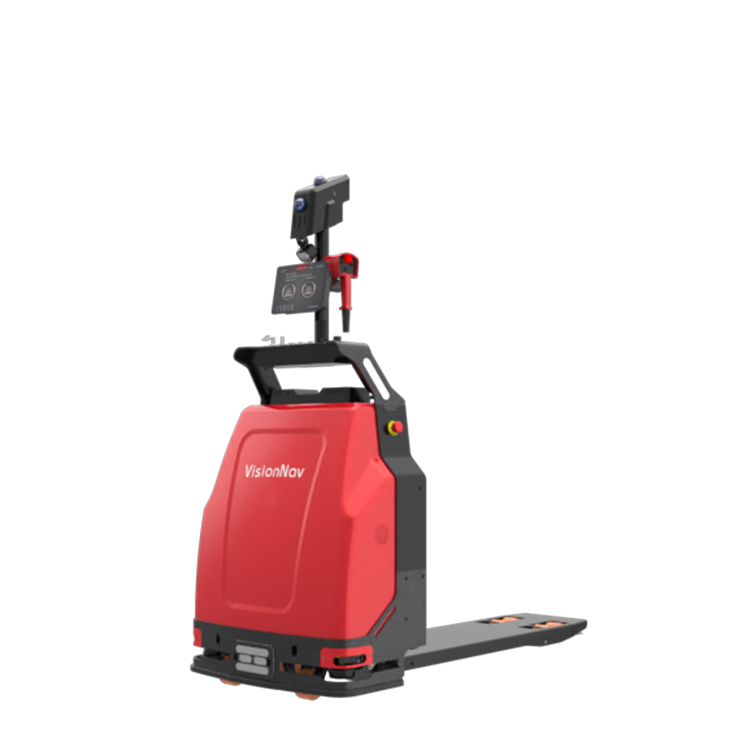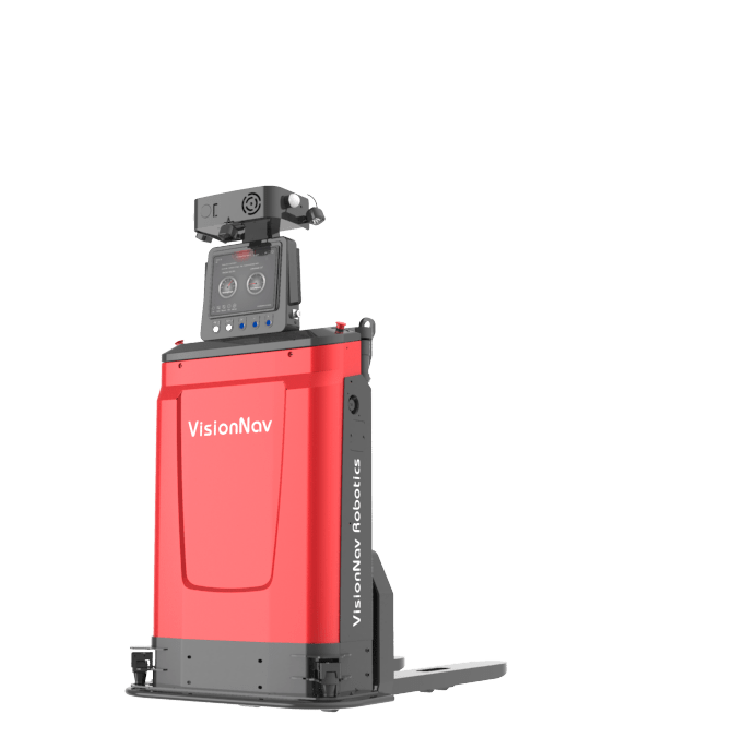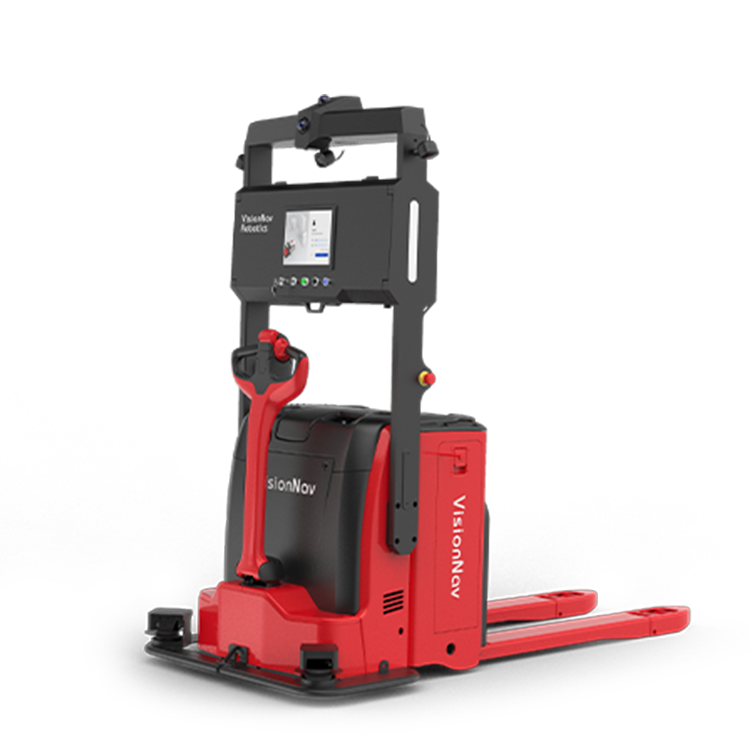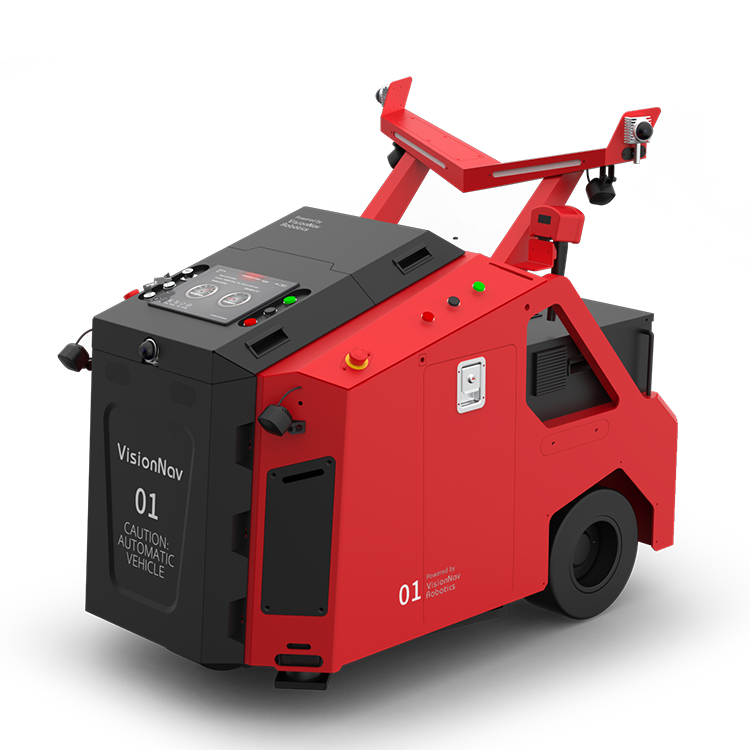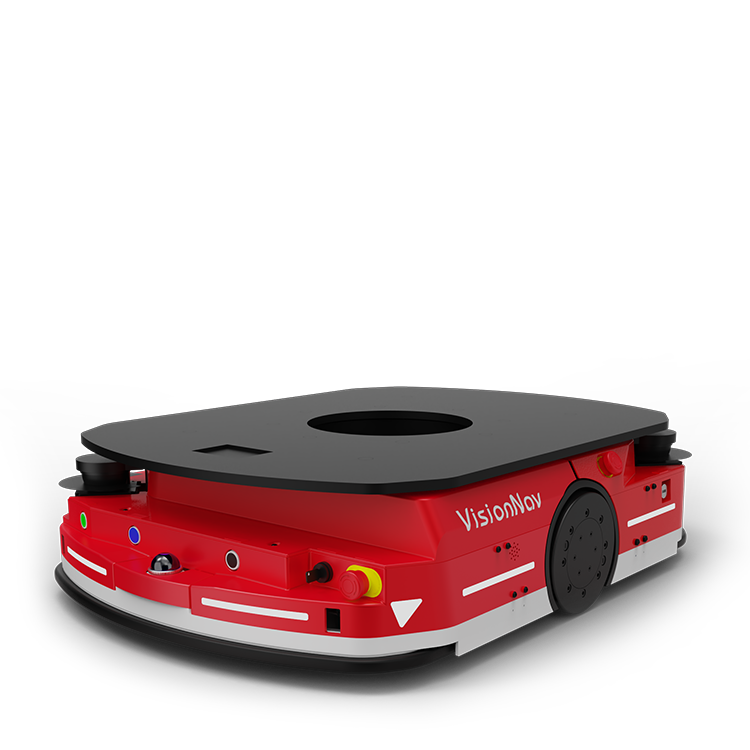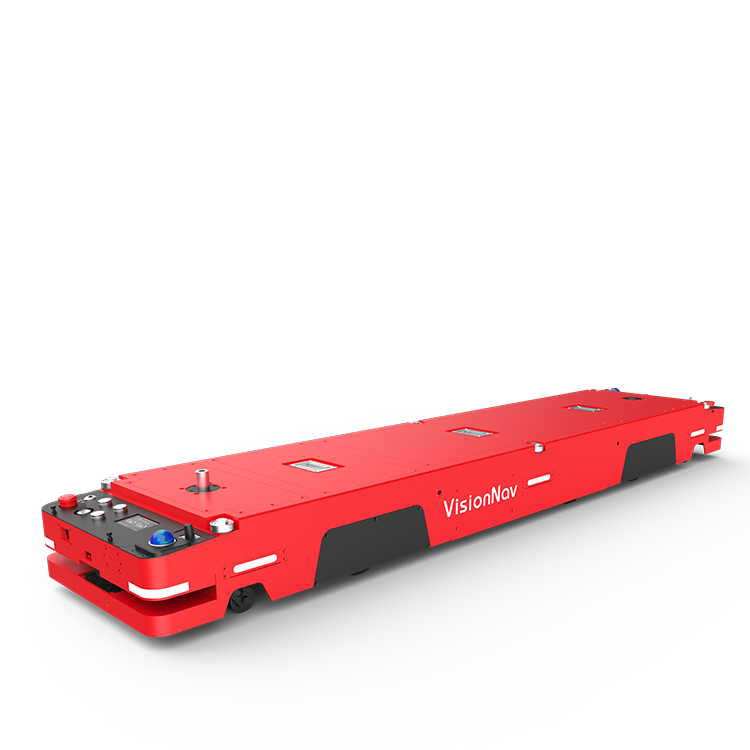

At Modex 2026, VisionNav reached new levels of innovation with the reveal of the VNE40-66 Autonomous Precision Stacking Solution at Modex 2026. This new solution demonstrates precision and accuracy under demanding conditions. This solution is highly suited for large container marketplace environments, such as automotive manufacturing or kitting facilities. The result is simple: an effective and powerful solution capable of handling the biggest, heaviest, and tallest loads in industrial environments.
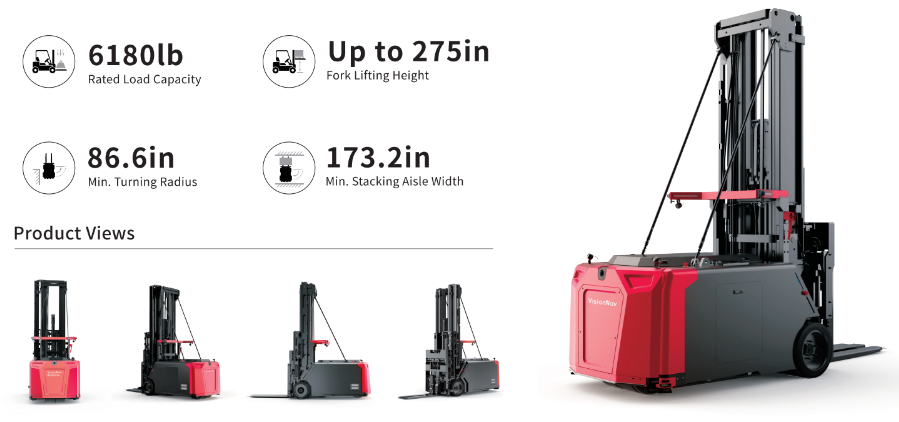
VisionNav Robotics has introduced an autonomous stacking system built for environments where traditional automation falls short. Designed to handle oversized, heavy containers, the system manages cages up to 8.8 feet wide, lifts loads up to 6,180 pounds, and stacks at heights reaching 22 feet.
In industries such as automotive, where large containers are standard, operations have long faced a difficult balance between size, weight, and precision. As loads increase, so do concerns regarding stability and safety. Stacking at height adds another layer of complexity, often requiring skilled operators and limiting the role of automation.
Until now, that is.
By combining high-capacity lifting with consistent, millimeter-level placement, the VNE40-66 brings a new level of reliability to applications once considered too complex to automate. This allows high-capacity, dynamic environments to achieve the same efficiency, consistency, and safety gains from automation that simple, structured operations have benefited from for years.
As facilities continue to scale and throughput demands rise, solutions like this are establishing a new benchmark for performance in heavy-duty material handling.
As a first-of-its-kind solution, the VNE40-66 delivers the necessary qualities of strength, precision, and advanced safety for dynamic facilities, demonstrating the expansion of autonomous capabilities and setting the stage for what the next generation of automation solutions can achieve.
At the core of the solution's performance is advanced sensor fusion technology, which informs every movement with a high level of spatial awareness and precision.
Rather than relying on a single input, the system integrates data from multiple sensors to build a comprehensive, real-time understanding of its surroundings. This layered perception enables it to interpret positioning, detect variations, and adapt to environmental changes as they happen. The result is consistent, millimeter-level accuracy, even when handling oversized loads at height. By utilizing a robust stack of LiDAR, mechanical verification sensors, and 2D and 3D systems, the vehicle maintains a high degree of confidence in every operation.
This awareness is applied across all operating states, whether the vehicle is loaded or unloaded, at ground or at height. The system can detect obstacles as small as 4 by 4 inches, including common hazards such as manual forklift forks at ground level, as well as stray obstacles at lift height that could interfere with precise placement.
This ability to continuously detect, interpret, and respond to its environment is essential for maintaining both efficiency and reliability, especially in dynamic, mixed environments that reflect real-world operating conditions.
The VNE40-66, like all VisionNav stacking solutions, employs a proprietary, algorithm-driven Smart Retry functionality. This allows the vehicle to detect misaligned carriers and automatically adjust its positioning accordingly to ensure successful placement.
If conditions prevent a proper placement, such as damaged pins or posts, the system will continue retrying based on chosen parameters. Only when the pre-determined number of retries are exhausted does it alert an operator. This approach keeps human intervention to a minimum, only requiring assistance when it is critically necessary for continued operations.
This results in less downtime, greater efficiency, and reduced risk of material damage - all while maintaining consistent, autonomous performance.
In real-world operations, automation rarely operates alone, making safe and seamless human-robot collaboration a non-negotiable. The VNE40-66 is designed with this in mind, using a dynamic safety approach that adapts to its environment and the people in it.
During straight-line travel, the system relies on a dynamic brake zone that scales appropriately based on the size and weight of the load, creating wider and deeper protection boundaries as needed. As the vehicle navigates through corners or curves, the safety zone adjusts to match its turning path, ensuring consistent safety coverage while in motion. To maintain efficiency, the system operates on a two-zone model: a red brake zone for immediate stops, and a yellow deceleration zone that slows the vehicle in anticipation of potential hazards.
This intelligent safety protocol allows the vehicle to respond to real operating conditions in real time. In environments where human workers and manual equipment are constantly in motion, this level of adaptability supports frictionless interactions, reduces risk, and ensures that automation can operate confidently alongside people without compromising performance.
The system incorporates a tiered Overload Protection mechanism tied to the vehicle's rated load capacity. For vehicles with a rated capacity of 4,400 lbs or less, the relief valve is set to activate within a range of 105% to 125% of rated load, and the system is designed to lift smoothly at 105% capacity.
For higher-capacity vehicles exceeding 4,400 lbs, the relief valve range narrows to 110%–120% of rated load, with a stable load required at 110% capacity. This graduated approach ensures that overload conditions are caught and controlled without unnecessarily interrupting legitimate near-capacity operations.
The introduction of solutions like the VNE40-66 signals a broader shift in how automation is being applied across industrial environments.
For years, automation has delivered the most value in structured settings, where workflows are predictable and variables are largely controlled. High-capacity, dynamic or complex operations, especially those involving oversized loads with demanding placement requirements, have remained more difficult to automate. That gap is now closing.
With the ability to handle larger loads, operate at greater heights, and intelligently adapt to real-world conditions in real time, automation is now expanding into applications that were previously considered too complex or too variable, in such a way that returns are realized at competitive rates. This opens the door for industries such as automotive and heavy manufacturing to achieve higher levels of efficiency, consistency, and safety without increasing reliance on manual processes.
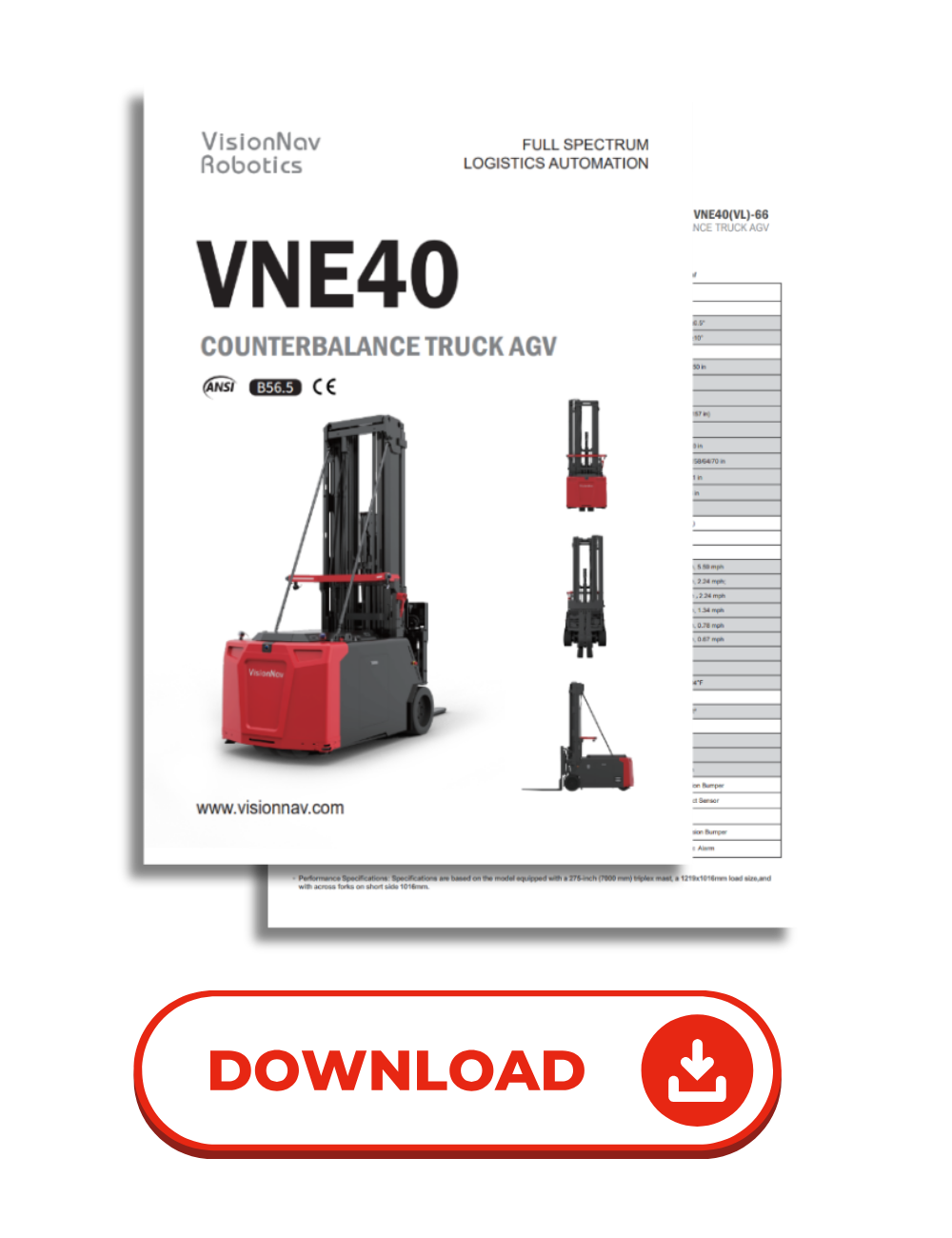
Download our specs guide to learn more about our latest solution.